

Buying an Investment Property: Financing Considerations Before You Make an Offer
A practical financing checklist for prospective residential real-estate investors.
- Reading time
- 3 min
- Reviewed
- October 17, 2026
- Reviewer
- George Salon
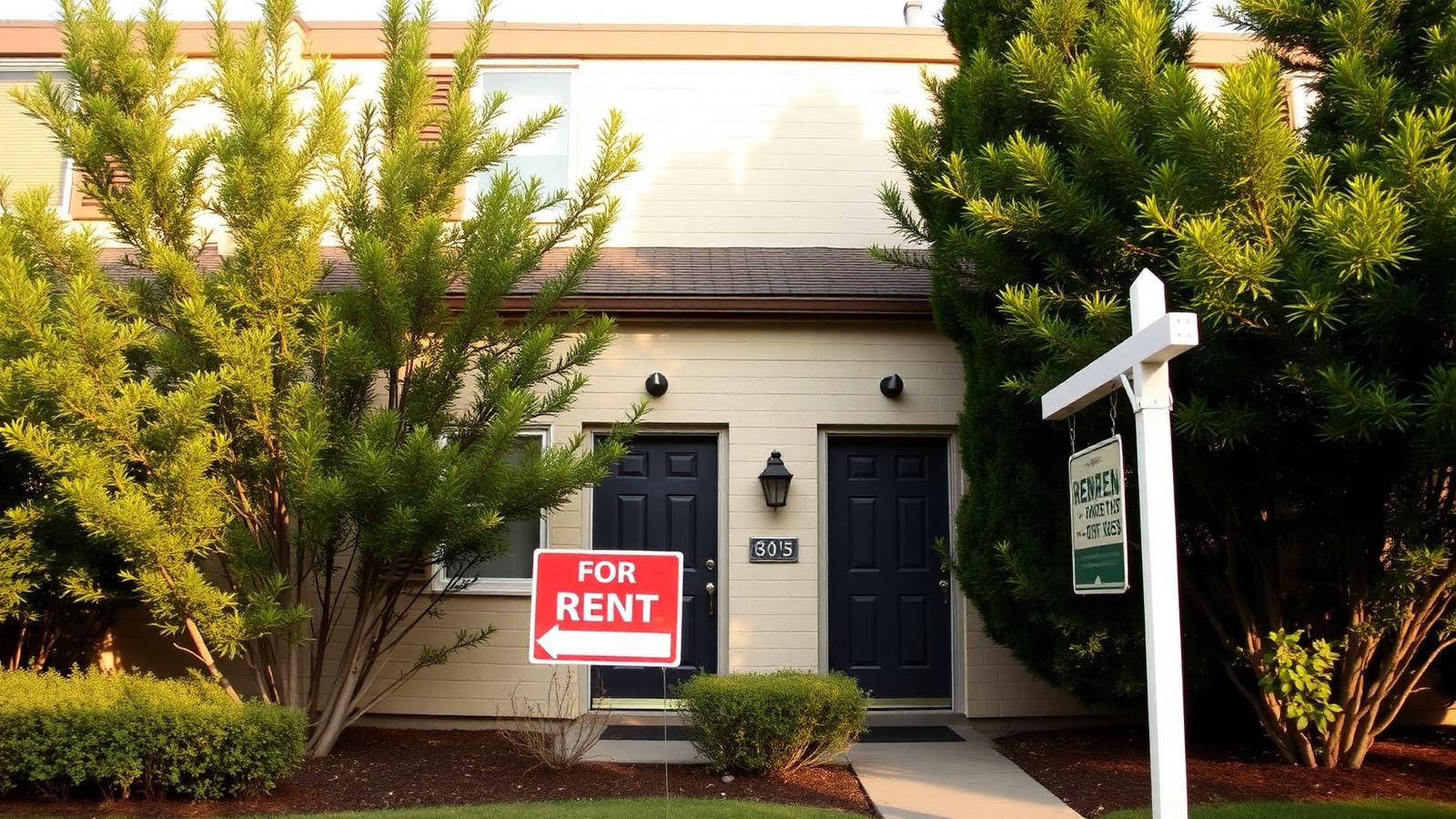
An investment-property mortgage is evaluated differently from financing for a primary residence or true second home. The borrower intends to own the property for rental income, appreciation, or another investment purpose rather than occupy it as a primary home.
Before making an offer, evaluate both sides of the transaction: whether the mortgage can be approved and whether the property’s economics remain workable under realistic conditions.
Classify the property accurately
Occupancy affects underwriting, pricing, down payment, reserves, and eligible programs.
A principal residence is occupied as the borrower’s primary home. A second home is occupied by the borrower for part of the year and must satisfy program-specific restrictions. An investment property is generally owned but not occupied by the borrower.
Never describe a rental property as a second home to obtain different loan terms. Provide accurate information about intended occupancy and rental use.
Rental income may require documentation
When rental income is used to qualify, the lender must determine the amount that can be supported under the applicable program.
For Fannie Mae-eligible loans, documentation may involve:
- An appraisal form reporting market rent
- A current lease
- Tax returns showing rental income
- Evidence regarding the borrower’s property-management experience in some situations
- Documentation of actual or projected expenses
The amount used for underwriting may not equal gross monthly rent. Program calculations account for expenses and potential vacancy. Requirements differ for an existing rental, a newly acquired property, and conversion of a current residence to rental use.
Underwrite the property for yourself
Lender approval does not establish that the investment is profitable. Build a separate operating estimate using conservative assumptions.
Consider:
- Expected collected rent
- Vacancy and tenant turnover
- Property taxes
- Landlord insurance
- Association dues
- Property management
- Routine maintenance
- Capital repairs
- Utilities paid by the owner
- Licensing, inspection, or registration costs
- Legal and accounting expenses
- Mortgage payment
Test what happens if rent is lower than expected, the property is vacant, or a major repair occurs early.
Plan for reserves and liquidity
Investment-property programs may require the borrower to document financial reserves. The required amount varies by program, number of financed properties, borrower profile, and transaction.
Separate from any lender requirement, liquidity can help an owner manage vacancy, repairs, insurance deductibles, and other unexpected expenses.
If business or investment accounts will fund the purchase, discuss the source before transferring funds. The lender may need to document ownership, access, and the effect of withdrawing the money.
Insurance and local rules can change the economics
Standard homeowner’s coverage may not be appropriate for a rental property. Obtain a landlord or investment-property insurance quote early.
Investigate:
- Flood, windstorm, wildfire, or other regional hazards
- Short-term rental coverage
- Vacancy provisions
- Liability limits
- Association master coverage
- Local rental licensing
- Zoning and occupancy restrictions
- Association rental caps
- Required inspections
A mortgage approval does not override local law, an association restriction, or an insurance exclusion.
Understand federal tax reporting
IRS Publication 527 explains that rental income generally must be reported and discusses rental expenses, depreciation, personal use, and other federal tax issues.
Tax treatment depends on how the property is used and the taxpayer’s circumstances. Personal use of a rental property can affect the allocation and limitation of expenses.
Consult a qualified tax professional before relying on expected deductions, depreciation, passive losses, or a future exchange strategy.
Compare the complete financing structure
Review:
- Fixed versus adjustable rate
- Loan term
- Interest rate and APR
- Points and lender credits
- Down payment
- Required reserves
- Prepayment provisions
- Monthly principal and interest
- Taxes, insurance, and association dues
- Cash needed at closing
- Whether rental income is being used to qualify
Use the Loan Estimate to compare offers based on the same assumptions.
Questions to answer before making an offer
- Is this clearly an investment property rather than a second home?
- What rent is supported by market evidence?
- Will rental income be needed to qualify?
- What reserves does the loan program require?
- What operating reserve do I want beyond the lender requirement?
- Are rentals permitted by zoning and the association?
- What insurance is available?
- How does the property perform with vacancy or lower rent?
- What are the federal, state, and local tax considerations?
- Who will manage the property and respond to repairs?
The bottom line
Investment-property financing should be evaluated alongside realistic operating assumptions, adequate liquidity, insurance availability, rental rules, and tax guidance. Approval is one threshold; a durable investment plan requires a wider analysis.
Primary sources
This article is for general educational purposes only and is not legal, tax, investment, or financial advice, an offer to lend, or a commitment to lend. Mortgage programs, underwriting requirements, costs, and availability vary by lender and borrower circumstances and may change without notice. All loans are subject to credit, income, property, and other applicable approval requirements. Consult qualified legal, tax, and financial professionals regarding your circumstances.
This website is for informational purposes only and does not constitute an offer to lend, a commitment to lend, or a solicitation for a loan. All loans are subject to credit review and property approval. Program terms, conditions, and availability are subject to change without notice. Actual rates, fees, and terms will vary based on the borrower's individual credit profile and property characteristics.
Related insights
All insights → Second Home · 7 min read
Financing a Second Home: Questions to Consider Before You Buy
What to think through before financing a property you'll use part of the year.
 Jumbo · 8 min read
Understanding Jumbo Financing: What Affluent Buyers Should Consider
What sets a jumbo loan apart, how documentation typically differs, and where thoughtful structuring matters most.
Talk this through in the context of your situation.
Reading is useful; a private conversation is more useful. We're glad to walk through how this topic applies to your goals.