
Conventional financing, thoughtfully guided.
Conventional loans are the most common form of mortgage financing. We help you weigh the options and structure a loan that fits both the property and your longer-term plans.

Plain-language overview.
A conventional loan is a mortgage that is not backed or insured by a government agency. Most conventional loans in the U.S. are underwritten to standards published by Fannie Mae or Freddie Mac, which sets a common framework for income, credit, and documentation.
Conventional financing is used across a wide range of purposes: purchasing a primary residence, financing a second home, refinancing an existing loan, and, in some cases, financing an investment property. Terms and pricing shift based on the property, the borrower profile, and market conditions.
Rather than publish specific figures that can go stale, we walk you through what actually applies to your situation during the consultation.
Situations that often fit.
- Financing a primary residence when your profile fits conventional guidelines
- Purchasing a second home for part-time personal use
- Investment property purchase or refinance, when applicable
- Refinancing an existing loan to change rate, term, or structure
- Move-up purchases where the prior home is being sold or retained
Worth thinking through.
- Program terms, pricing, and availability vary by property and borrower
- Occupancy classification (primary, second home, investment) affects structure
- Private mortgage insurance may apply depending on the equity position
- Documentation is straightforward for W-2 borrowers and more nuanced for self-employed
- Not every borrower or property will qualify
What we review with you.
- Your goals for the property and the loan
- How income is earned and documented
- Which occupancy classification fits and what it implies
- The right structure for your equity position and reserves
- Whether a refinance or a purchase strategy makes more sense
- A realistic timeline through closing
From first conversation to closing.
- 01
Consultation
A private conversation to understand the property, goals, and situation.
- 02
Strategy
Options and structure explained clearly, with a recommended direction and reasoning.
- 03
Secure application
Application and documentation move through the secure borrower portal.
- 04
Underwriting to closing
File managed through underwriting, appraisal, and title work, with regular updates.
Read a fuller walk-through on our process page.
Frequently asked questions
What is a conventional loan?
- A conventional loan is a mortgage that is not backed or insured by a government agency such as the FHA or VA. Most conventional loans are underwritten to standards published by Fannie Mae or Freddie Mac.
Can I use a conventional loan for a second home or investment property?
- Often yes. Occupancy classification (primary, second home, investment) affects pricing, structure, and documentation. We review the specifics for your situation during the consultation.
How is conventional financing different from FHA?
- The two programs differ in insurance treatment, property standards, documentation, and the profiles they typically fit. Our comparison article walks through the differences in plain language.
Can I refinance with a conventional loan?
- Yes. Rate-and-term and cash-out refinance structures exist for conventional loans; whether either makes sense depends on your goals and current terms.
Do conventional loans require mortgage insurance?
- Sometimes. Whether and how private mortgage insurance applies depends on the loan structure and the equity position. We review the specifics — including when it typically comes off — during the consultation.
What documentation should I expect to provide?
- Government-issued ID, recent income documentation, asset statements, and property information. Everything sensitive moves through the secure borrower portal.
Related insights
All insights → Refinance · 7 min read
When Does Refinancing Make Sense?
How to think through a potential refinance, and what to weigh alongside the interest-rate question.
 FHA vs. Conventional · 8 min read
FHA vs. Conventional Loans: Understanding the Differences
How FHA and conventional loans generally differ, and questions that help borrowers think through the trade-offs.
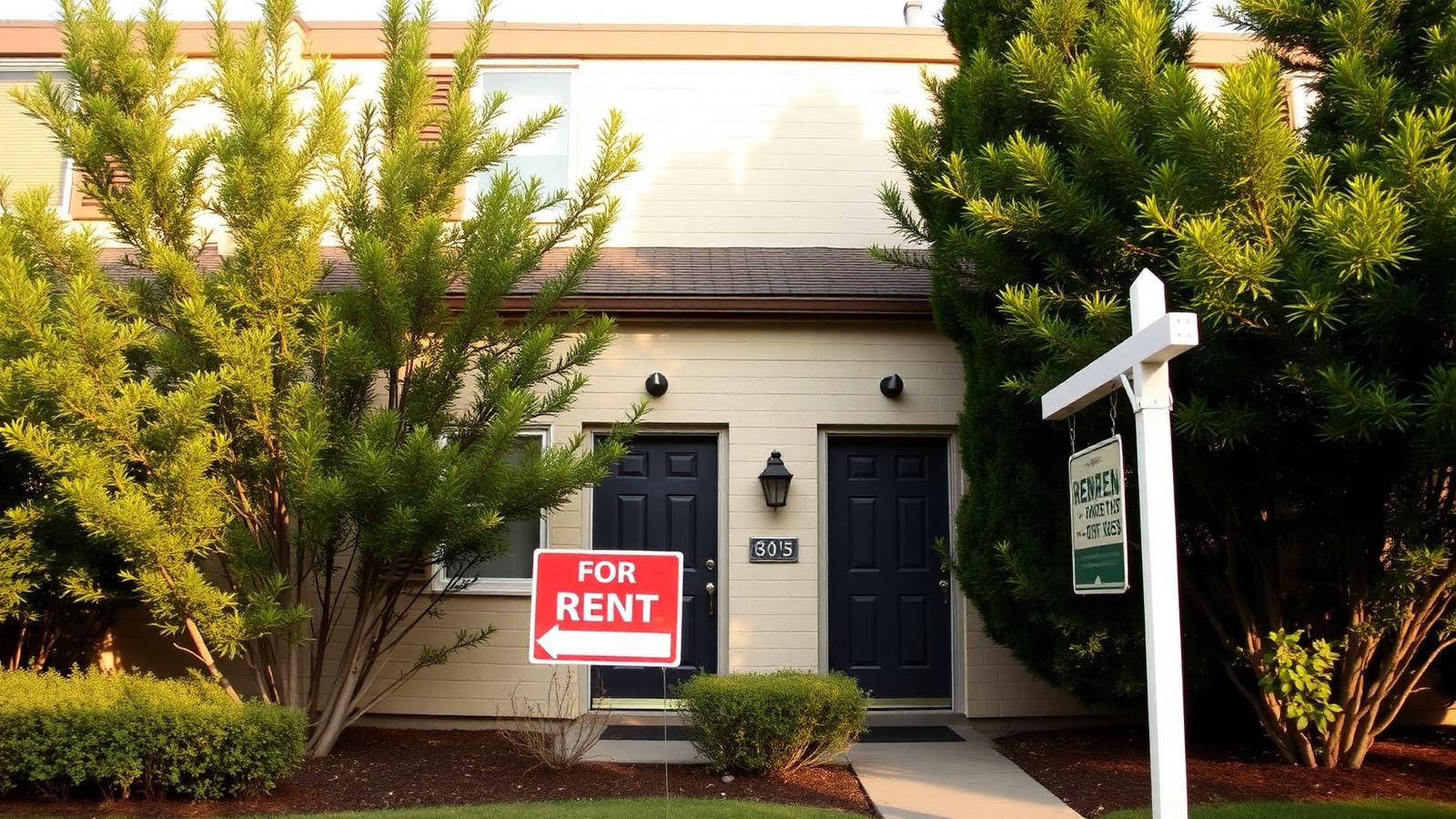 Investment · 8 min read
Buying an Investment Property: Financing Considerations Before You Make an Offer
What to think through before making an offer on an investment property.
Ready to have a conversation?
Every situation is different. A private conversation is the best way to see whether this option is the right fit.
You'll complete your application and securely provide financial information through our borrower portal.
This website is for informational purposes only and does not constitute an offer to lend, a commitment to lend, or a solicitation for a loan. All loans are subject to credit review and property approval. Program terms, conditions, and availability are subject to change without notice. Actual rates, fees, and terms will vary based on the borrower's individual credit profile and property characteristics.
This website is for informational purposes only and does not constitute an offer to lend, a commitment to lend, or a solicitation for a loan. All loans are subject to credit review and property approval. Program terms, conditions, and availability are subject to change without notice. Actual rates, fees, and terms will vary based on the borrower's individual credit profile and property characteristics.